
Blog
UHMWPE Machining Tolerances: What Engineers Should Consider
UHMWPE can be machined into a wide range of industrial components, but its material characteristics require careful consideration when tight dimensional tolerances are needed. Understanding thermal expansion, machining conditions, and part design can help improve the accuracy of finished UHMWPE components.
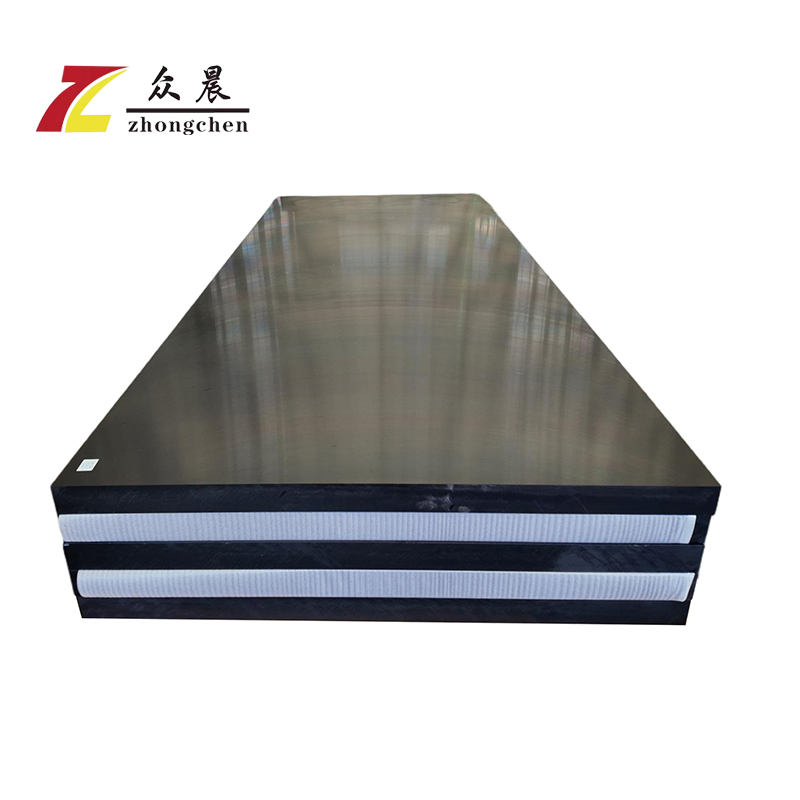
UHMWPE is frequently supplied as sheets, rods, and semi-finished stock for further machining. CNC machining allows manufacturers to produce components with complex geometries, holes, grooves, slots, and other customized features.
However, machining UHMWPE requires different considerations from machining metals.
Thermal Expansion
UHMWPE has a relatively high coefficient of thermal expansion compared with metals. Temperature changes during machining or operation can therefore affect component dimensions.
For precision applications, manufacturers should consider the temperature of both the material and the working environment during inspection.
Machining Conditions Matter
Cutting speed, feed rate, tool geometry, clamping method, and cooling conditions can all influence machining results.
Excessive heat generation during machining may affect dimensional accuracy. Appropriate machining parameters help control heat and improve surface quality.
Part Design Is Important
Engineers should also consider wall thickness, hole diameter, sharp corners, grooves, and overall component geometry when designing UHMWPE parts.
A design that works well for metal may require modifications when manufactured from UHMWPE.
Inspection After Machining
For precision UHMWPE components, manufacturers can inspect critical dimensions using appropriate measuring equipment.
Inspection may include overall dimensions, hole diameters, thickness, flatness, groove dimensions, and other customer-specified tolerances.
Selecting a Machining Supplier
When ordering custom UHMWPE components, buyers should provide detailed drawings, material requirements, tolerances, operating conditions, and expected quantities.
Clear technical information allows the manufacturer to select appropriate raw material and machining methods while reducing the risk of dimensional deviations.