
Blog
Is UHMWPE Suitable for Long-Term Outdoor Applications?
UHMWPE is known for its excellent wear and impact resistance, but outdoor applications require additional consideration of sunlight, moisture, temperature changes, and environmental exposure. This article explains the key factors to evaluate when using UHMWPE in outdoor environments.
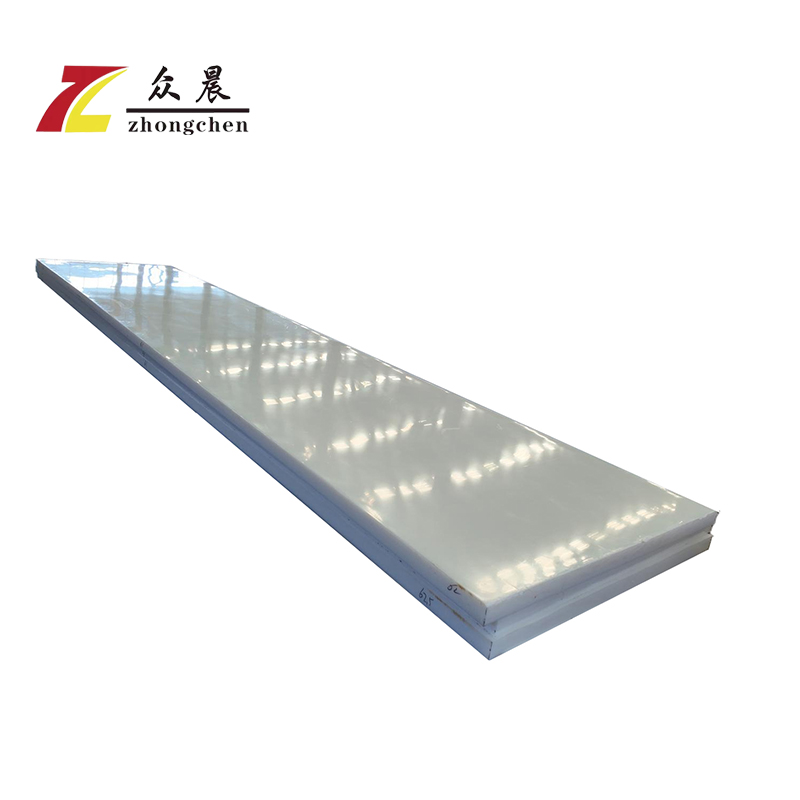
UHMWPE is increasingly used in equipment and components exposed to demanding outdoor conditions. Its low moisture absorption, impact resistance, and low-friction characteristics make it attractive for many outdoor applications.
However, selecting UHMWPE for long-term outdoor service requires more than simply considering its mechanical properties.
Exposure to Sunlight
Ultraviolet radiation can gradually affect many polymer materials during prolonged outdoor exposure. Depending on the application, continuous exposure to direct sunlight may influence the surface and long-term properties of UHMWPE.
For projects involving extended outdoor exposure, UV stabilization or an appropriate material formulation should be discussed with the manufacturer.
Moisture and Rain
UHMWPE has very low water absorption compared with many engineering materials. This is beneficial for applications exposed to rain, humidity, splashing water, and changing weather conditions.
The material does not readily absorb moisture, helping maintain consistent performance in wet environments.
Outdoor Temperature Changes
Outdoor equipment may experience substantial temperature fluctuations between daytime and nighttime or between different seasons. Engineers should consider thermal expansion and contraction when UHMWPE components are installed in structures requiring tight dimensional tolerances.
Proper allowance for dimensional changes can help maintain smooth movement and reduce installation problems.
Where Can Outdoor UHMWPE Be Used?
Potential applications include material handling equipment, outdoor conveyors, marine equipment, construction machinery, agricultural machinery, temporary structures, and other systems requiring low-friction and wear-resistant plastic components.
Evaluate the Complete Environment
Outdoor performance depends on more than UV exposure. Engineers should evaluate sunlight intensity, temperature, moisture, mechanical loading, chemicals, impact, and expected service life.
By matching the UHMWPE grade and design to the actual environment, manufacturers can provide a more dependable solution for long-term outdoor use.