
Blog
How UHMWPE Components Help Reduce Industrial Equipment Noise
Reducing equipment noise is an important consideration in modern manufacturing and material handling systems. UHMWPE can help reduce mechanical noise in selected applications because of its low friction, impact absorption characteristics, and non-metallic construction.
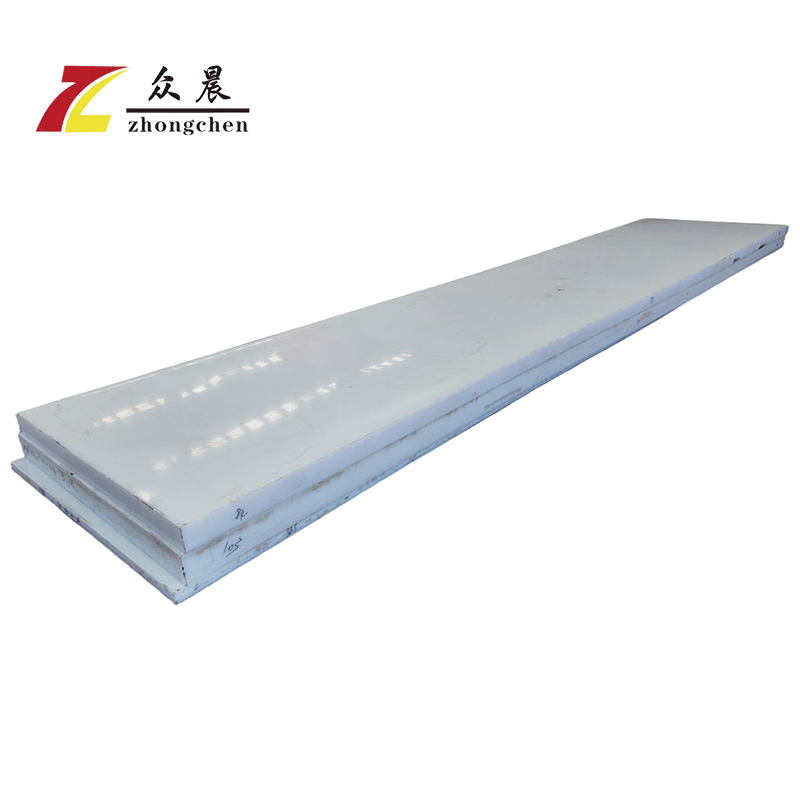
Industrial equipment often generates noise when metal components slide, collide, or interact with moving materials. Replacing selected metal contact surfaces with UHMWPE components can provide an effective way to reduce mechanical noise while maintaining wear resistance.
UHMWPE and Metal-to-Metal Contact
Metal components can produce significant noise when they repeatedly impact or slide against one another. UHMWPE provides a non-metallic contact surface that can reduce the intensity of these interactions.
This characteristic can be particularly useful in material handling and conveying equipment.
Low Friction Helps Smooth Movement
UHMWPE has a naturally low coefficient of friction. Components manufactured from UHMWPE can allow materials and moving parts to slide more smoothly, reducing friction-related vibration and noise in suitable applications.
This can contribute to a quieter operating environment.
Impact Absorption
UHMWPE also has excellent impact resistance. When used as a contact or cushioning component, it can absorb some of the energy generated during repeated impacts.
Examples include chute liners, sliding components, guide elements, and protective contact surfaces.
Applications in Material Handling
UHMWPE components may be used in conveyor systems, transfer points, packaging equipment, hoppers, chutes, and other machinery where moving products come into contact with structural components.
The exact noise reduction effect depends on equipment design, operating speed, impact energy, and the original source of noise.
A Practical Approach to Noise Control
UHMWPE should not be considered a universal replacement for every metal component. Instead, engineers should identify the locations where sliding, impact, or metal-to-metal contact generates excessive noise.
Replacing those specific contact surfaces with appropriately designed UHMWPE components can provide both noise-control and wear-resistance benefits.