
Blog
How Temperature Affects UHMWPE Sheet Performance
Temperature can have a significant influence on the mechanical performance, dimensional stability, and service life of UHMWPE sheets. Understanding how UHMWPE behaves under different temperature conditions helps engineers select the right material for demanding applications.
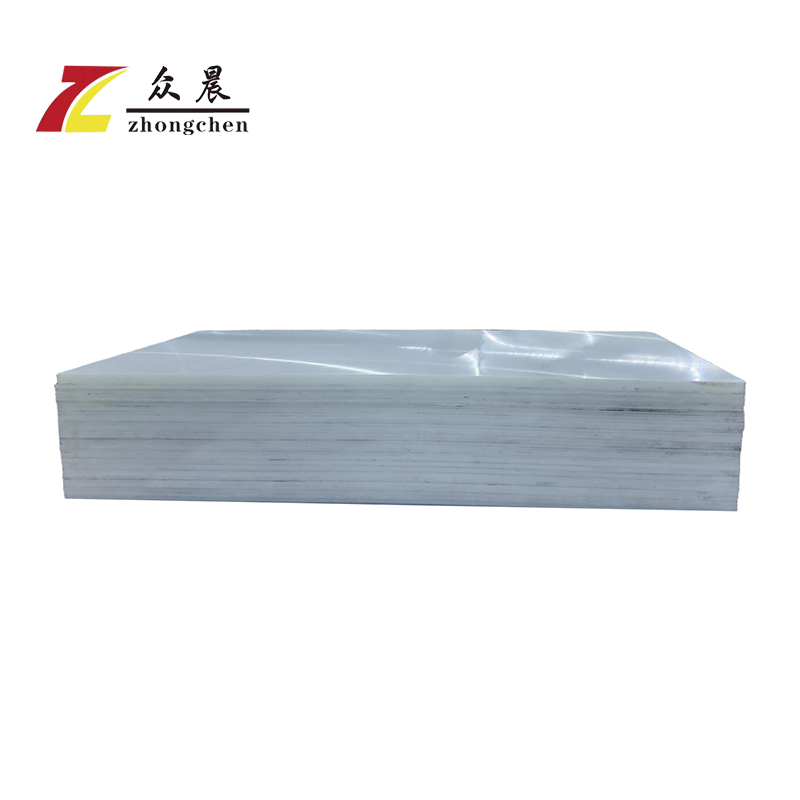
UHMWPE sheet is widely used in applications where low friction, impact resistance, and excellent wear properties are required. However, temperature should also be considered when selecting UHMWPE for a specific working environment.
How Low Temperatures Affect UHMWPE
UHMWPE generally maintains good impact resistance at low temperatures. Unlike some conventional plastics that can become brittle in cold environments, UHMWPE can continue to provide reliable mechanical performance under many low-temperature conditions.
This makes UHMWPE sheets suitable for applications involving outdoor equipment, cold storage facilities, material handling systems, and other environments where temperatures can fluctuate significantly.
What Happens at Elevated Temperatures?
As temperature increases, the stiffness and load-bearing capability of UHMWPE can gradually decrease. Continuous exposure to elevated temperatures may also influence dimensional stability and long-term service performance.
For applications involving heat, engineers should evaluate the actual operating temperature, loading conditions, exposure time, and required service life before selecting the material grade and sheet thickness.
Why Operating Conditions Matter
Temperature should not be evaluated separately from mechanical loading. A UHMWPE sheet exposed to high temperature while carrying a heavy continuous load may experience greater deformation than the same sheet operating under light loads.
Therefore, material selection should consider temperature together with pressure, sliding speed, impact loading, and environmental conditions.
Choosing the Right UHMWPE Sheet
For temperature-sensitive applications, manufacturers can provide different UHMWPE grades and processing options according to project requirements. Important parameters may include sheet thickness, dimensions, molecular structure, operating temperature, and mechanical loading.
Understanding the relationship between temperature and UHMWPE performance allows engineers to select a more reliable solution and reduce the risk of premature material failure.