
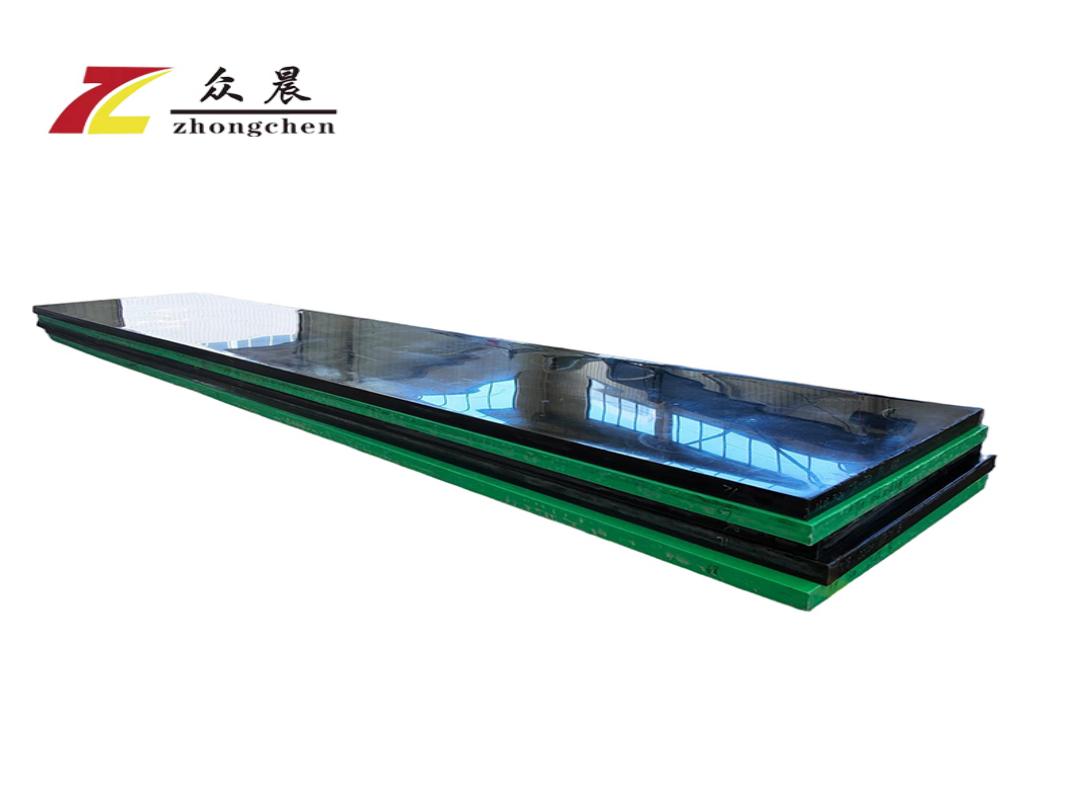
Selecting the right UHMWPE chute liner is essential for maintaining reliable material flow in coal conveying systems. Engineers and purchasing managers must evaluate abrasion resistance, friction properties, and dimensional accuracy when sourcing wear protection components. This guide outlines the technical factors to consider when specifying liners for transfer chutes, discharge points, and loading zones in bulk handling facilities.
Operational challenges in coal conveying systems
Coal conveying systems handle large volumes of material under continuous operating conditions. Equipment surfaces in these environments are vulnerable to abrasion, impact, friction, and material buildup. Repeated sliding and directional changes at transfer points accelerate wear on steel structures. Fine coal particles combined with moisture frequently lead to sticking, bridging, and blockages inside bunkers, hoppers, and chutes. These issues reduce conveying efficiency and increase maintenance requirements across the entire facility.
To address these challenges, operators install protective linings that create a durable barrier between the bulk material and the equipment surface. A low-friction lining helps coal move smoothly through the system while resisting continuous impact. By reducing material buildup and protecting structural steel from severe wear, these linings support stable operation and help extend the service life of critical handling equipment in demanding industrial environments.
Repeated material impact and sliding can cause severe wear on unprotected steel equipment surfaces over time. Without adequate protection, maintenance teams face frequent shutdowns to repair damaged chute walls and replace worn structural components. Installing appropriate wear liners mitigates these problems by absorbing the mechanical stress generated during high-volume coal transport operations.
Material specifications and configuration options
When specifying a UHMWPE chute liner, buyers should review the available material grades and physical configurations. Liners can be manufactured from virgin or customized grade depending on the application requirements. Thickness options range from 10–100 mm, and custom dimensions are available according to equipment drawings. Components are supplied as flat plates or CNC-machined panels to match specific chute geometries and mounting surfaces accurately.
The smooth surface of the material helps reduce material sticking and buildup, which is particularly important when handling fine coal. Excellent abrasion resistance protects the underlying steel plates from continuous wear caused by falling and sliding bulk material. The low coefficient of friction improves material flow through transfer chutes, discharge chutes, and loading chutes, ensuring consistent throughput during continuous operations.
UHMWPE wear liners protect coal conveying equipment from continuous abrasion and impact caused by bulk coal moving at high speeds. The non-stick properties significantly reduce coal buildup, sticking, and bridging inside material handling equipment. High abrasion resistance helps extend the service life of steel plates and other structural surfaces exposed to heavy material flow.
Installation methods and retrofit considerations
Proper installation ensures the liner performs as intended throughout its service life. Available mounting methods include bolt-on, stud-mounted, or mechanically fastened configurations. Optional countersunk holes and mounting holes can be integrated during manufacturing to simplify field assembly. These features allow maintenance teams to secure the panels firmly against the chute walls without compromising the smooth sliding surface required for efficient coal transport.
These liners are suitable for both OEM replacement and retrofit applications. Facilities such as power plants, coal preparation plants, mining operations, and bulk material handling sites use them to protect high-wear areas. Customization extends to drilling patterns and installation configurations, allowing engineers to adapt the solution to existing equipment designs. This flexibility supports straightforward integration into established conveying infrastructure.
Liners can be installed at conveyor loading and discharge points to reduce wear caused by falling and sliding coal. They are also suitable for transfer chutes where coal undergoes repeated impact, sliding, and directional changes. Implementing these protective layers helps reduce maintenance frequency and downtime in continuously operating coal handling systems, improving overall equipment operating stability.
Requesting an accurate quotation
Purchasing managers should prepare detailed specifications before requesting pricing. Quotes are typically based on dimensions, thickness, quantity, and machining requirements. Providing accurate equipment drawings ensures the manufacturer can produce panels that fit precisely within the designated chute sections. Specifying the preferred UHMWPE grade and installation method further clarifies the scope of supply and helps avoid delays during procurement.
By defining these parameters early, engineering teams can streamline the approval process and ensure the delivered components meet operational expectations. Accurate specifications also facilitate easier comparison between suppliers and support long-term maintenance planning for coal handling systems. Detailed documentation reduces the risk of dimensional mismatches during installation, ultimately saving time and resources for the purchasing department and ensuring reliable performance.