
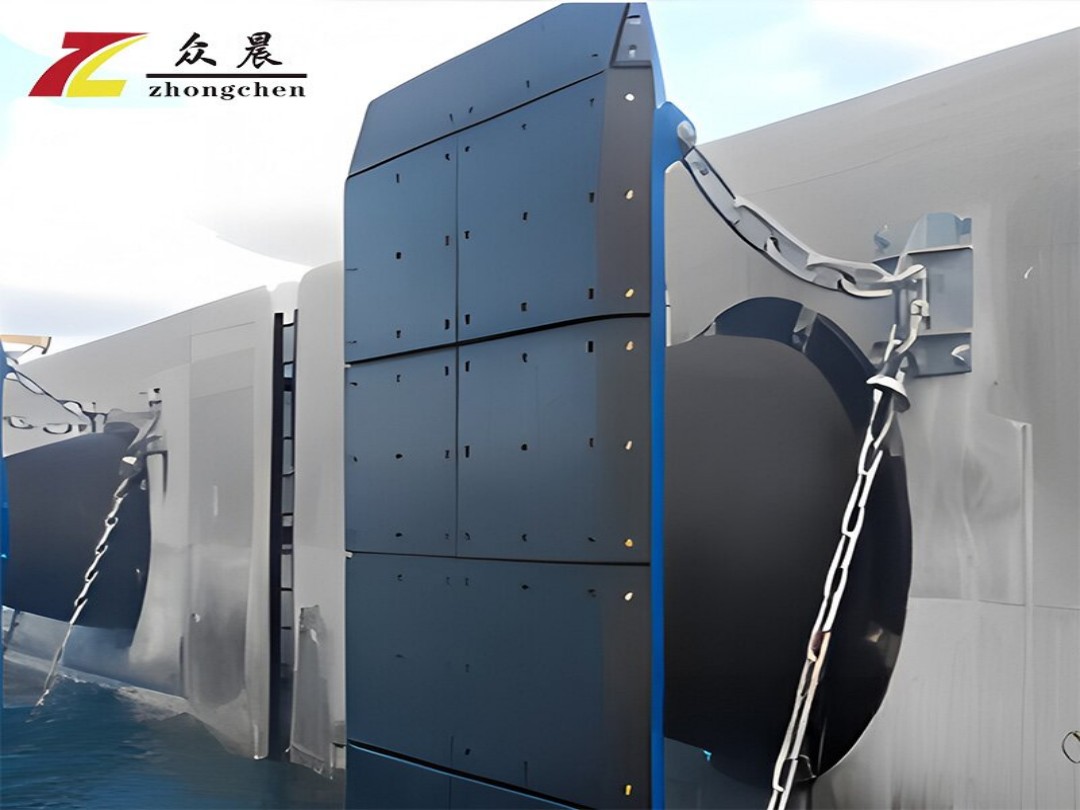
Selecting the right UHMWPE marine fender pad is essential for protecting vessels and dock infrastructure during berthing operations. Ports and marine facilities rely on durable materials to reduce impact damage and extend the service life of docking systems. Ultra-high molecular weight polyethylene provides low-friction, wear-resistant, and corrosion-resistant performance for vessel berthing systems. This guide outlines the key factors engineers and purchasing managers should evaluate when specifying these components for port projects.
Material properties for marine environments
Marine and port environments require materials that withstand impact, water exposure, and continuous friction. UHMWPE solutions provide reliable performance in wet and harsh conditions. The material delivers powerful shock absorption to cushion intense impacts during vessel docking and mooring. Its slick low-friction surface stops hull paint and metal surfaces from scraping and abrasion, safeguarding boats, barges, and pier structures over long-term marine service.
Impact resistant performance is a primary requirement for any docking structure. These components protect docking structures from repeated vessel impact and contact loads. Additionally, low friction sliding surfaces reduce friction between vessels, docks, and marine handling equipment. Water and corrosion resistance ensures the polymer performs reliably without degrading in saltwater environments, making it suitable for continuous use in demanding port applications.
Sizing and customization requirements
Every port facility has unique structural layouts, which means standardized parts rarely fit perfectly. Customized dimensions are available to match specific project requirements. Engineers must determine the exact shape, holes, and mounting design needed for their installation. Providing accurate pad dimensions, thickness, quantity, installation requirements, and drawings is necessary for an accurate quotation from the manufacturer.
Thickness selection depends on the expected impact forces and the type of vessels using the berth. Heavier ships require thicker profiles to absorb greater kinetic energy during mooring. The lightweight nature of this polymer simplifies installation compared with traditional metal components. This reduction in weight lowers handling costs during maintenance and replacement cycles at busy port facilities.
Machining capabilities and fabrication options
Precision fabrication ensures that each component fits securely within the existing fender system. Cutting, drilling, countersinking, and CNC machining are supported to achieve tight tolerances. Components are manufactured as CNC machined UHMWPE parts to meet exact engineering specifications. This level of precision prevents misalignment during installation, which could otherwise lead to uneven wear or premature failure of the docking protection system.
Beyond simple flat profiles, custom UHMWPE fabrication allows for complex geometries. Manufacturers can supply these items in pads, sheets, and machined components based on project requirements. Whether the application calls for a simple rectangular profile or a contoured surface matching a specific pier geometry, the fabrication process accommodates diverse design needs for marine handling equipment.
Ordering, packaging, and trade terms
Procurement teams need flexibility when ordering components for large-scale port upgrades or small repair jobs. The minimum order quantity is flexible based on project requirements. Lead time depends on order quantity and customization details, so early communication with the supplier helps ensure timely delivery. Planning ahead prevents delays in critical maintenance schedules at active marine terminals.
For international buyers, logistics and shipping conditions are important considerations. Products are shipped using export standard packaging to prevent damage during transit. Trade terms including EXW, FOB, and CIF are available to suit different purchasing preferences. Buyers should confirm the appropriate incoterm during the quotation phase to align with their freight forwarding arrangements and customs clearance procedures.
Evaluating supplier capabilities for port projects
When sourcing components for marine and port operations, verifying the supplier's manufacturing capacity is crucial. Facilities experienced in producing fender pads, dock protection, sliding plates, and wear-resistant components understand the strict demands of maritime infrastructure. A supplier capable of handling both prototyping and volume production ensures consistency across multiple orders and long-term maintenance contracts.
Reviewing past projects involving similar docking systems helps assess technical competence. Suppliers familiar with the challenges of marine environments can recommend appropriate thicknesses and mounting configurations. Clear communication regarding technical drawings and installation constraints leads to better outcomes. Establishing a reliable supply chain for these polymer components reduces downtime and supports safe vessel berthing operations globally.