
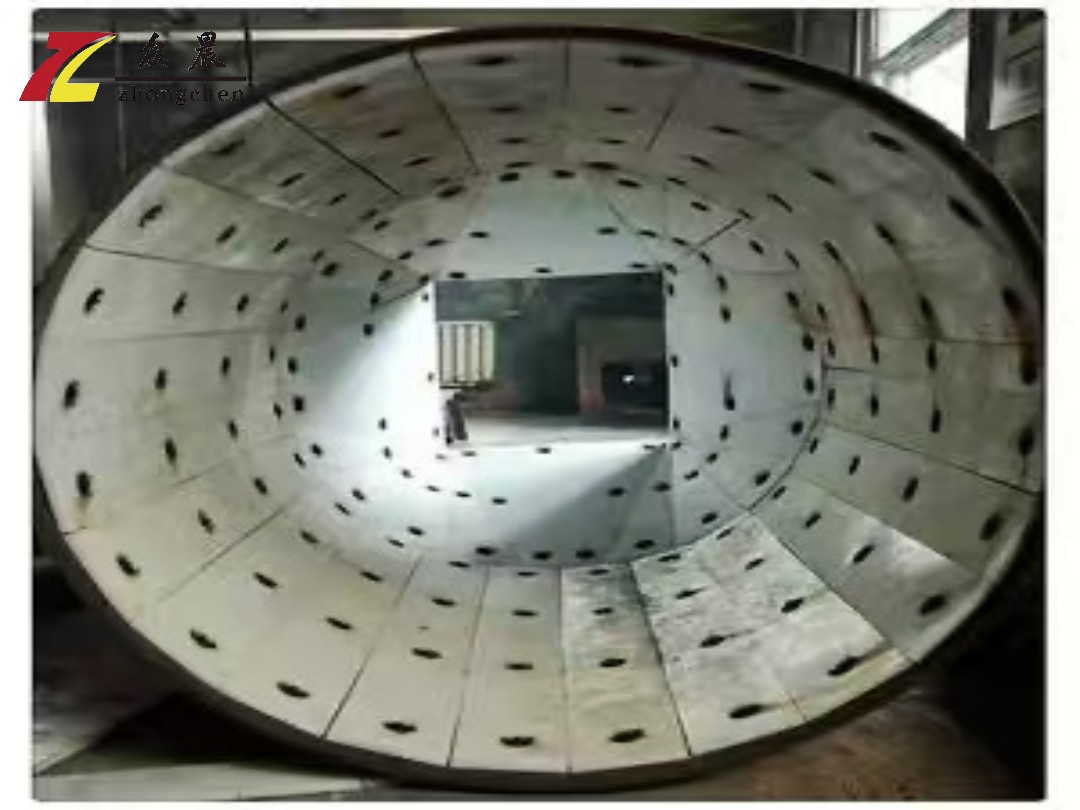
A UHMWPE chute liner is a dedicated lining panel used in material transfer chutes across the mining, chemical and bulk handling industries. Made from Ultra High Molecular Weight Polyethylene, these wear liners protect metal structures from abrasion and chemical corrosion while maintaining smooth material flow. Engineers and purchasing managers evaluating lining solutions must consider several operational factors before specifying a product. This guide outlines the key performance characteristics and customization options relevant to demanding bulk handling environments where continuous operation is required.
Operational challenges in mining and bulk handling
Mining and bulk handling operations require durable materials that can withstand abrasion, impact and continuous material flow. Equipment such as chutes, hoppers, bins and trucks faces severe conditions daily. Without adequate protection, metal structures degrade rapidly, leading to frequent maintenance shutdowns. Material buildup inside transfer points further disrupts operations, reducing discharge efficiency and increasing downtime. Selecting appropriate wear solutions is essential to maintain productivity and extend equipment service intervals in these demanding environments where heavy ores are processed continuously.
The constant movement of abrasive rocks, minerals and chemical compounds creates significant friction against unprotected steel surfaces. Over time, this friction thins the metal walls of transfer chutes, eventually causing structural failures or leaks. Furthermore, wet or sticky materials tend to adhere to rough steel interiors, creating blockages that halt production lines. Addressing these challenges requires a lining material that combines surface smoothness with structural durability, ensuring that bulk solids move freely without degrading the underlying equipment framework during extended operational cycles.
How UHMWPE addresses wear and material flow issues
Lining panels manufactured from UHMWPE provide low-friction, impact-resistant and long-lasting protection for material handling equipment. The smooth non-stick surface helps reduce material buildup, improving discharge efficiency in chutes and hoppers. By minimizing sticking, operators experience fewer blockages during continuous transfer processes. Additionally, these liners shield underlying metal structures from direct contact with abrasive ores and chemicals, preserving structural integrity over extended operational periods and reducing the frequency of unplanned maintenance interventions across the facility.
Abrasion and impact resistance
Continuous exposure to heavy, abrasive materials demands exceptional wear resistance. UHMWPE wear liners absorb impact from falling rocks and bulk solids, reducing damage to the underlying equipment. This impact protection extends the service life of transfer chutes and hoppers significantly. Compared with unprotected steel surfaces, lined equipment requires less frequent replacement, helping facilities manage maintenance schedules more effectively in harsh mining conditions. The polymer structure distributes impact energy across a wider area, preventing localized stress fractures that commonly occur in rigid metallic alternatives.
Chemical resistance in processing environments
Beyond physical abrasion, many bulk handling applications involve exposure to corrosive chemicals or acidic moisture. UHMWPE offers inherent resistance to chemical corrosion, making it suitable for chemical processing plants alongside traditional mining sites. This characteristic ensures that the liner maintains its structural properties even when exposed to aggressive substances over long periods. Purchasing managers sourcing components for multi-purpose facilities benefit from this versatility, as a single material specification can address both mechanical wear and chemical degradation concerns within the same operational environment.
Lightweight installation advantages
Handling and replacing traditional steel liners often requires heavy lifting equipment and extended labor hours. UHMWPE panels offer a lightweight alternative that simplifies installation and replacement procedures. Maintenance teams can handle these polymer sheets more easily, reducing physical strain and shortening equipment downtime during changeovers. This advantage is particularly relevant for elevated or confined chute installations where maneuvering heavy steel plates presents safety and logistical challenges. Faster installation translates directly into reduced labor costs and quicker return to full operational capacity.
Customization and machining capabilities for buyers
Every material transfer system has unique geometry, requiring precise liner dimensions. Suppliers support full customization services, allowing sheets to be cut into specified shapes and sizes. Standard and customized dimensions are available to match diverse equipment types. Beyond basic sizing, processing capabilities include cutting, drilling, countersinking and CNC machining. Buyers can request specific hole patterns, edge profiles and installation methods tailored to their existing chute frameworks, ensuring a secure fit without extensive on-site modification or additional fabrication work by local contractors.
When specifying custom components, engineers should consider the thickness required for their particular application. Thicker panels provide extended wear life for highly abrasive materials, while thinner sheets may suffice for lighter duties or space-constrained installations. The ability to customize shape, holes and installation methods means that distributors can supply exact replacements for legacy equipment or design entirely new lining configurations for upgraded systems. This flexibility supports efficient inventory management and reduces the need for stocking multiple generic sizes.
Ordering specifications and commercial terms
To obtain an accurate quotation, buyers should provide detailed project information. Essential parameters include liner dimensions, thickness, quantity, equipment type and technical drawings. Minimum order quantities remain flexible based on specific project requirements, accommodating both large-scale mining upgrades and smaller replacement orders. Lead times depend on the requested quantity and the complexity of customization involved. Commercial trade terms such as EXW, FOB and CIF are available to suit different international shipping preferences. All products are prepared using export standard packaging to ensure safe transit.
International buyers and distributors should communicate their preferred trade terms early in the procurement process to facilitate accurate logistics planning. Export standard packaging protects the machined surfaces from damage during ocean freight or air transport. Because lead times vary according to customization levels, providing complete technical drawings upfront helps manufacturers schedule production efficiently. Flexible minimum order quantities allow purchasing managers to consolidate orders for multiple equipment types or phase their procurement according to planned maintenance shutdowns, optimizing budget allocation throughout the fiscal year.