
News & Technical Resources
Practical UHMWPE selection guidance, application cases and company updates for engineers, distributors and purchasing teams.
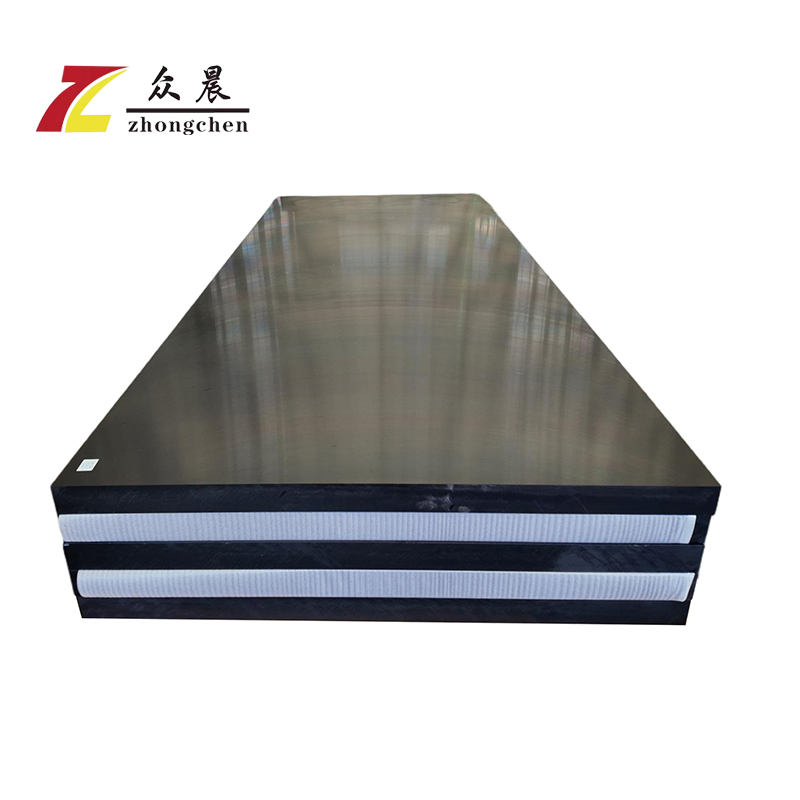
UHMWPE Machining Tolerances: What Engineers Should Consider
UHMWPE can be machined into a wide range of industrial components, but its material characteristics require careful consideration when tight dimensional tolerances are needed. Understanding thermal expansion, machining conditions, and part design can help improve the accuracy of finished UHMWPE components.
Read More →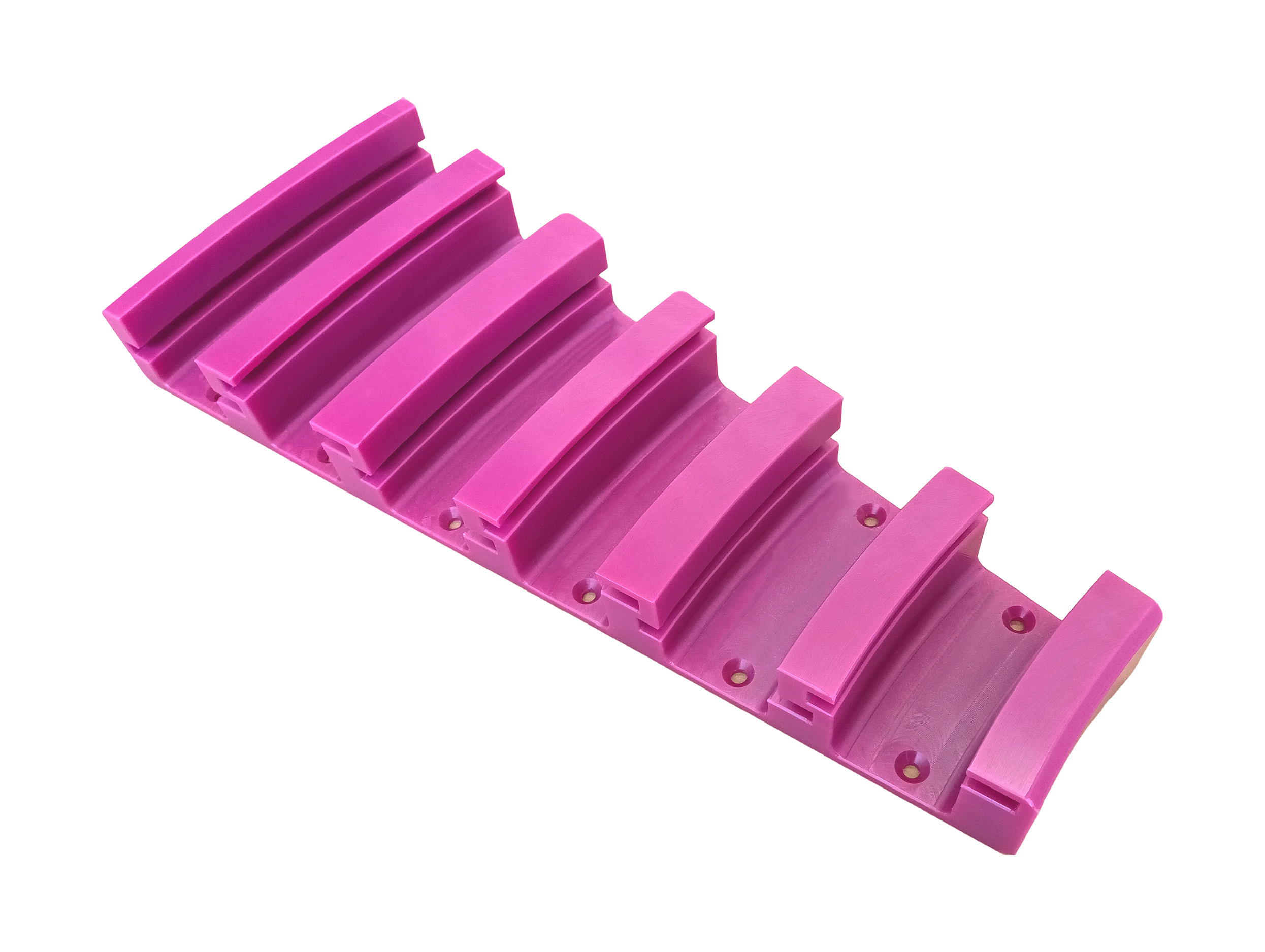
Why UHMWPE is difficult to hold to tight tolerances
UHMWPE is widely used for wear-resistant and low-friction components, but achieving tight machining tolerances can be challenging. This article explains why UHMWPE changes dimensions during machining and how proper processing methods, stress relief, and finishing techniques can improve accuracy.
Read More →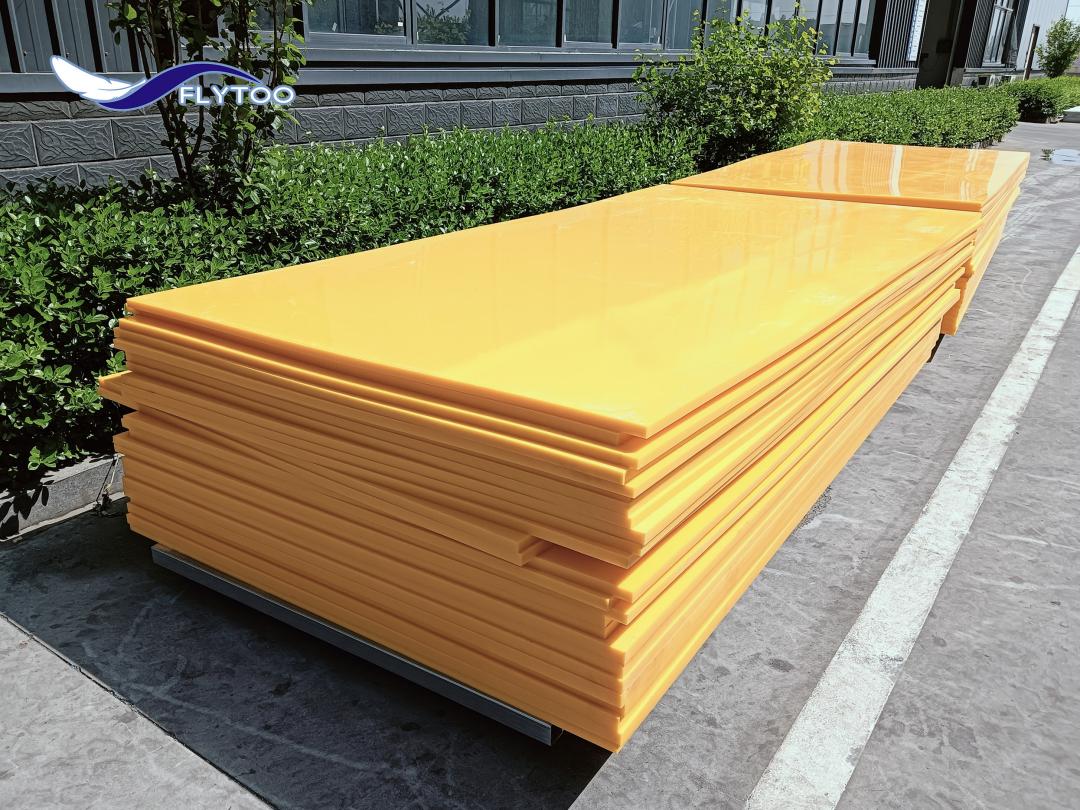
UHMWPE Bushings for Low-Friction Mechanical Movement
UHMWPE bushings can provide low-friction movement, good wear resistance, and corrosion-free operation in selected mechanical systems. They are suitable for applications where traditional metal bushings may require lubrication or protection against corrosion.
Read More →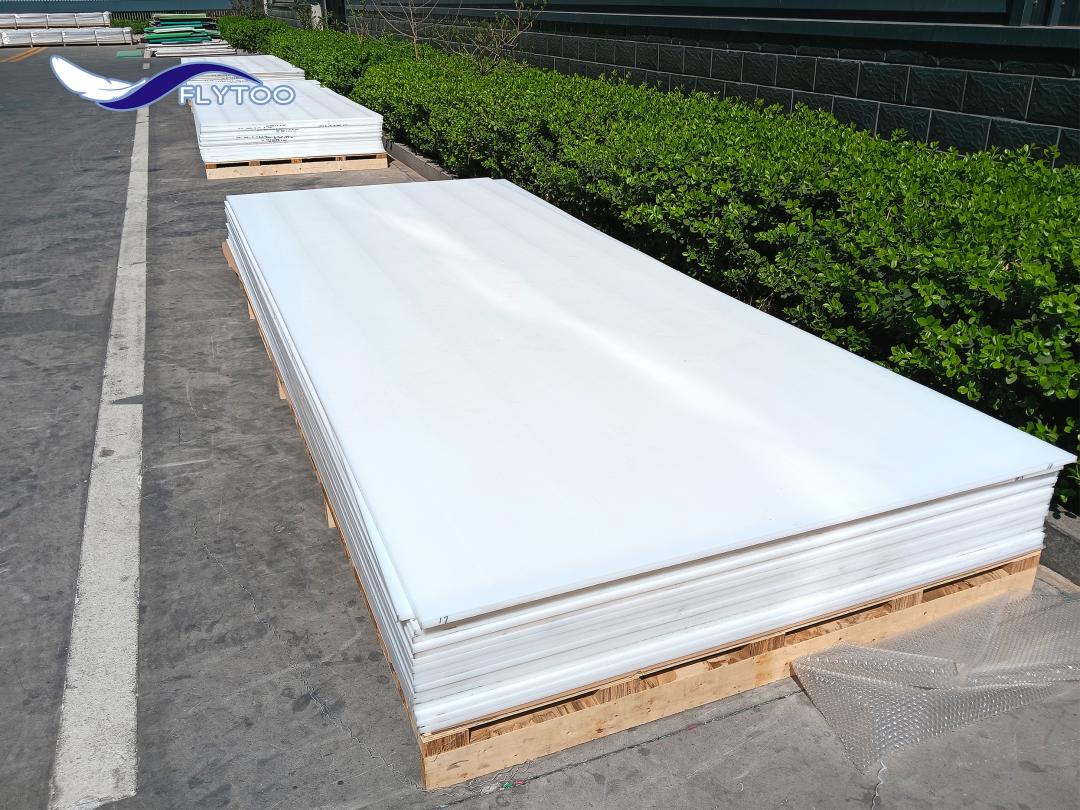
Low Water Absorption: An Important UHMWPE Material Property
Moisture can affect the dimensional stability and performance of many engineering plastics. UHMWPE has very low water absorption, making it suitable for applications exposed to water, humidity, and wet operating environments.
Read More →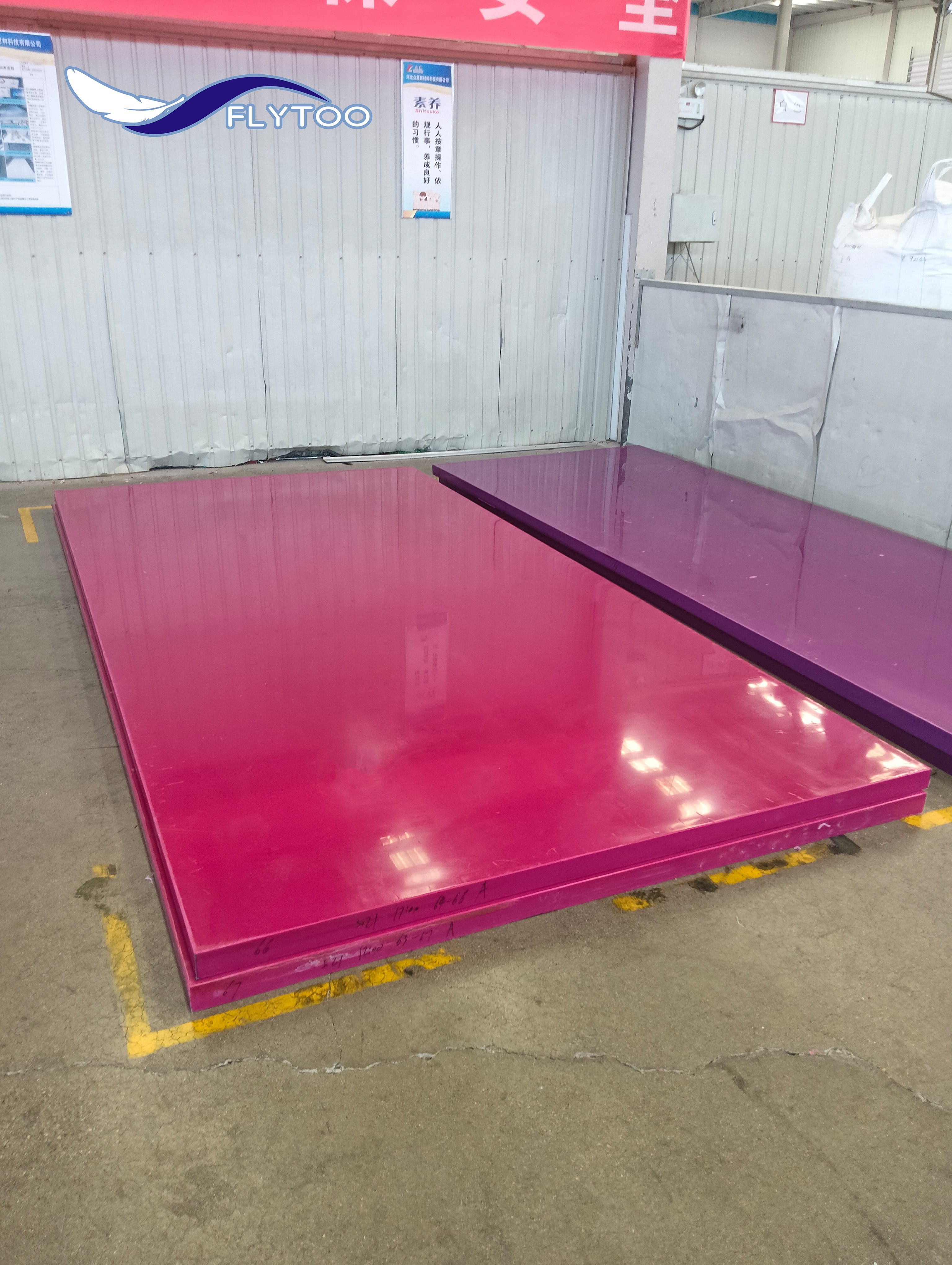
UHMWPE Sliding Blocks for Heavy-Duty Material Handling
Sliding blocks are used in many industrial systems to support, guide, or facilitate the movement of equipment and materials. UHMWPE sliding blocks offer low friction, high wear resistance, and good impact performance for demanding material handling applications.
Read More →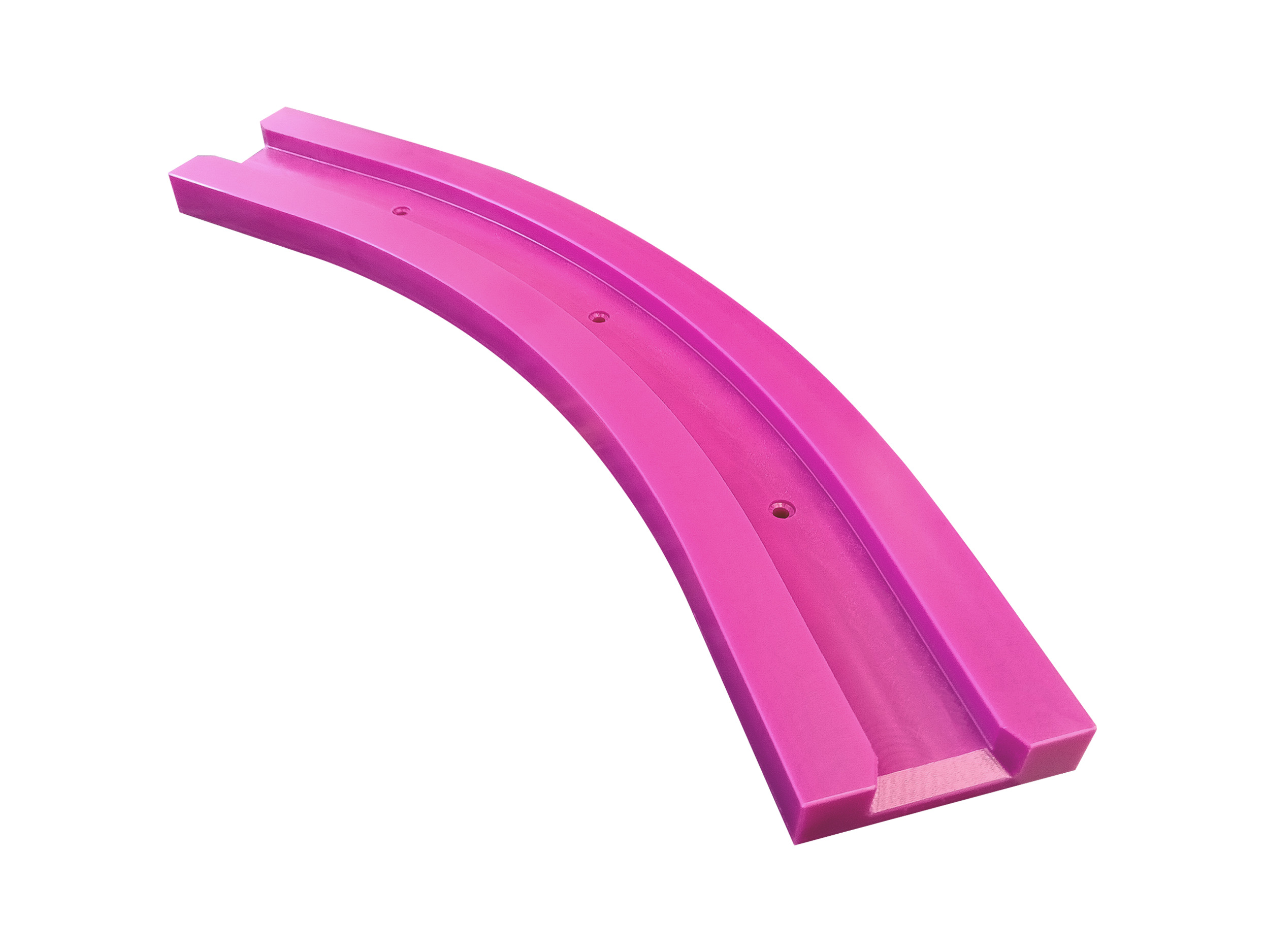
UHMWPE Wear Strips in Packaging Machinery: Reducing Friction and Product Damage
UHMWPE wear strips provide a low-friction, wear-resistant solution for packaging machinery, helping ensure smooth product movement while reducing surface damage and equipment wear.
Read More →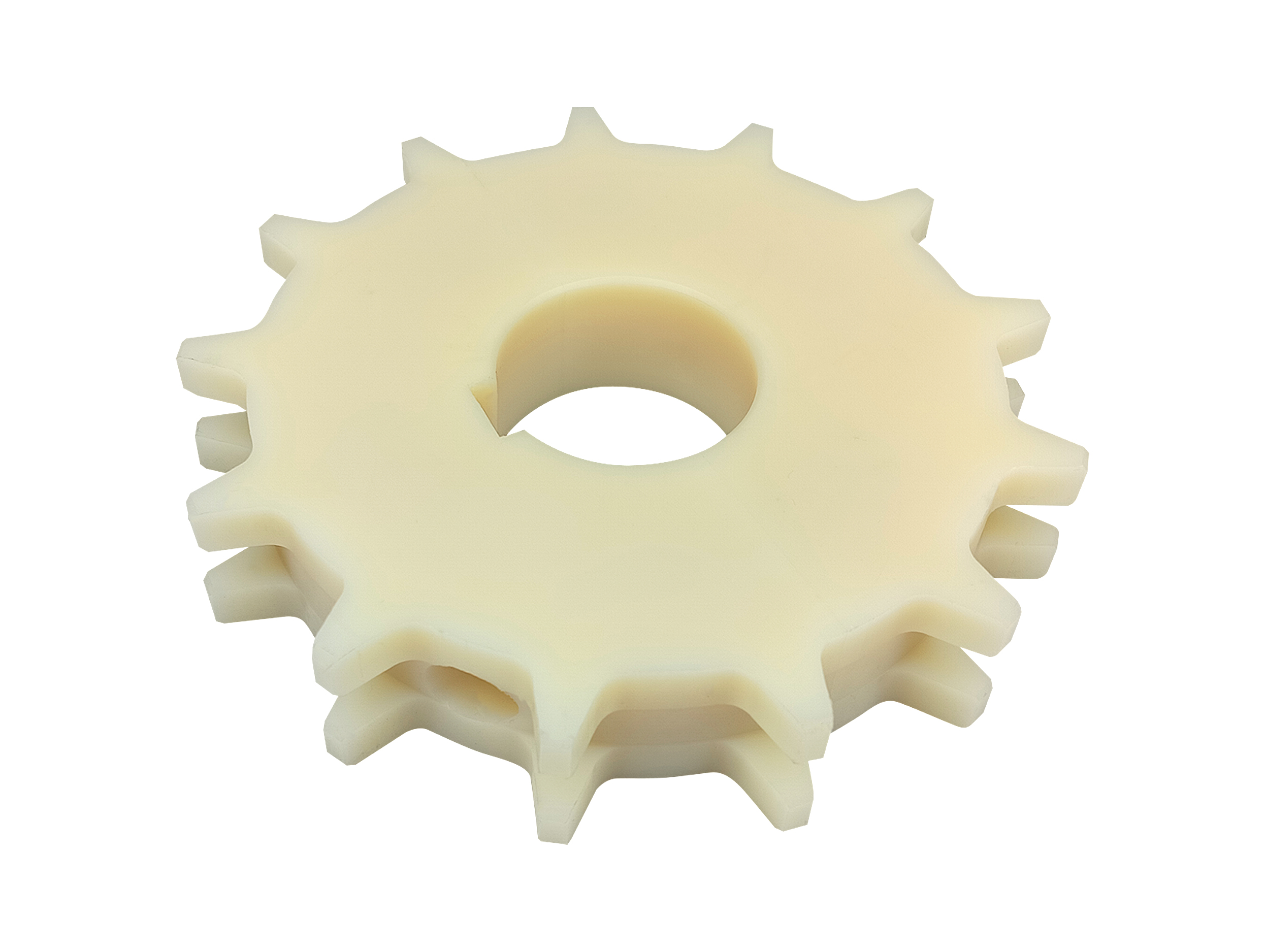
UHMWPE Wear Strips Improve Efficiency in High-Speed Material Handling Systems
UHMWPE Wear Strips are engineered to improve the performance and durability of high-speed material handling systems. With outstanding abrasion resistance, low friction, and self-lubricating properties, these wear components help reduce equipment wear, minimize maintenance requirements, and support smoother operation in conveyor systems, automation equipment, and industrial production lines. Customized UHMWPE Wear Strips are available in various sizes and profiles to meet different application requirements.
Read More →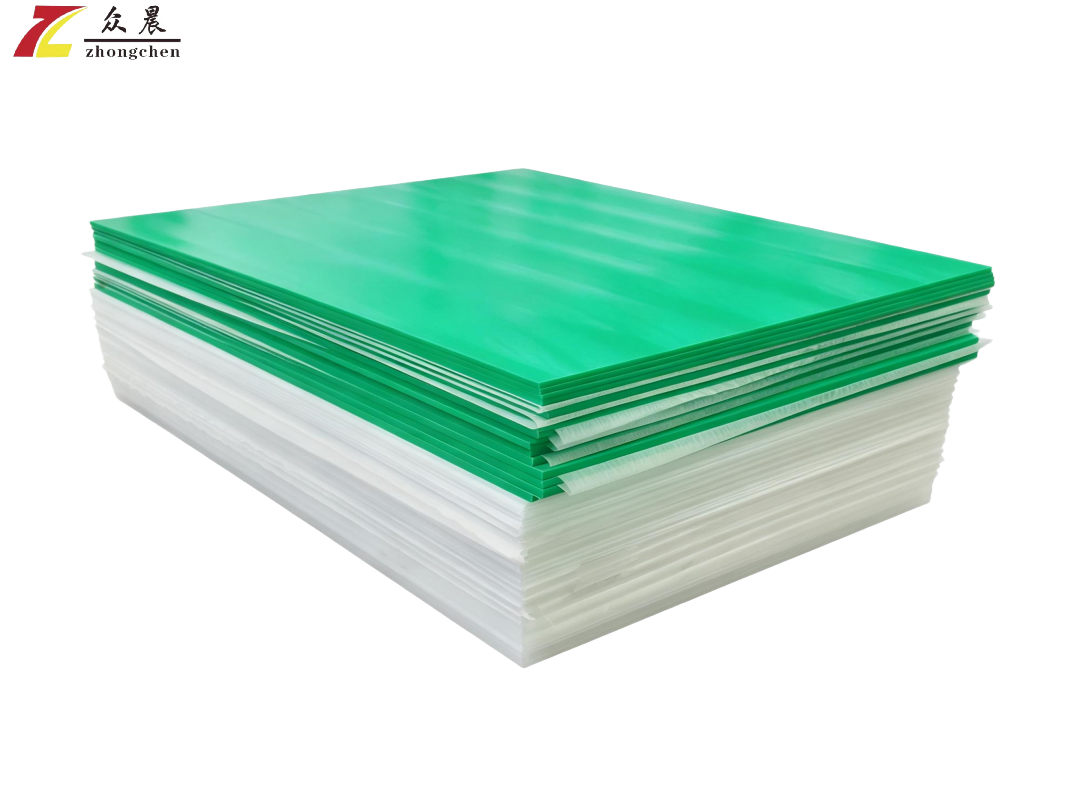
How Surface Finish Affects UHMWPE Sheet Performance
The surface finish of a UHMWPE sheet can influence its performance in sliding, lining, and material handling applications. This article explains smooth, textured, and machined UHMWPE surfaces and how to select the appropriate finish for different industrial requirements.
Read More →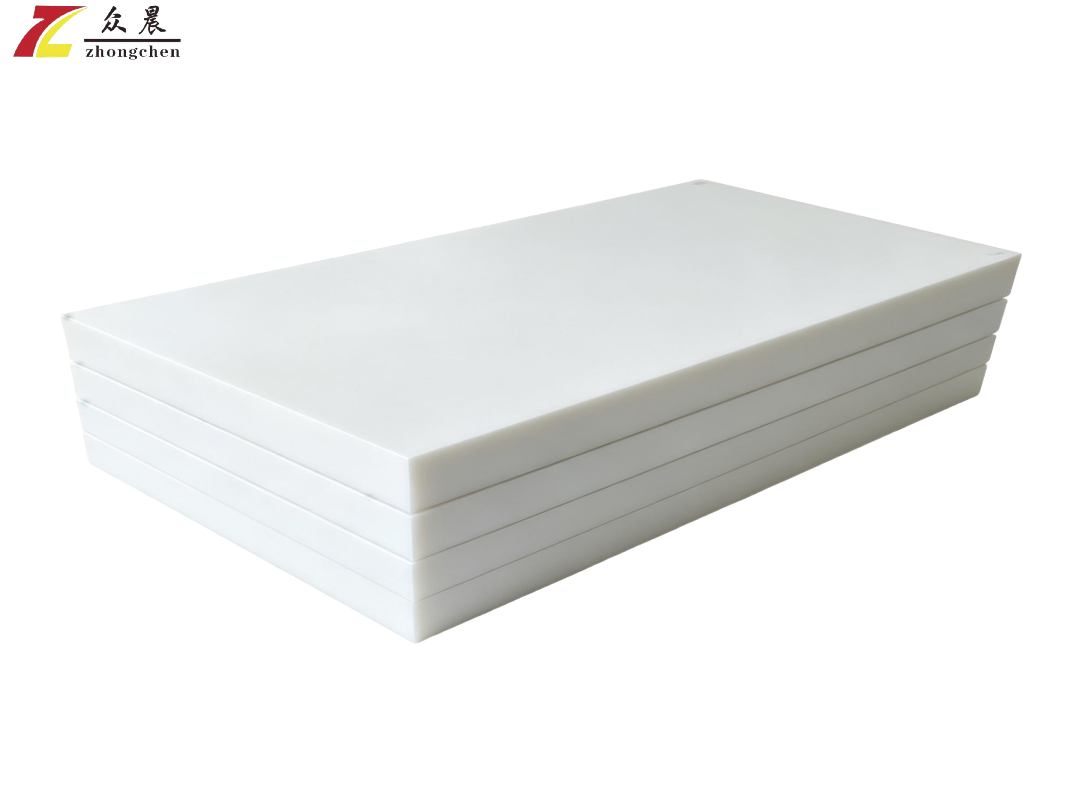
Why UHMWPE Chemical Resistant Sheets Are Used in Demanding Industrial Environments
Chemical exposure and material abrasion can cause premature damage to industrial equipment. UHMWPE chemical resistant sheets provide a lightweight, low-friction and wear-resistant solution for protecting surfaces in chemical processing, material handling and other demanding industrial environments.
Read More →